The 11 Best Ways to Make Gray Hair Coverage Last Longer
Great gray coverage can fade fast... but it doesn't have to. From your shampoo choice and wash frequency to heat, sun, and friction, these eleven practical tips will keep your color looking fresh far longer.
You chose a great gray-covering hair color. You followed the instructions perfectly. The results looked amazing on day one. But a week or two later, those silvery strands are already peeking through again, and you're left wondering what went wrong. Before you blame your hair color, here's what you need to know: Gray coverage can last, but there are hidden culprits quietly undermining your results. Even the best hair color for gray coverage won't last without proper aftercare.
1. Avoid High-Foam and Clarifying Shampoos
Not all shampoos are created equal when it comes to preserving hair color. Some formulas are specifically designed to cleanse deeply, and while that might sound like a good thing, it can be your gray coverage's worst enemy. High-foam shampoos are often the biggest offenders. That luxurious lather you love typically comes from stronger surfactants that lift and remove not just oil and buildup, but also color molecules from your hair shaft.
Deep-clean or clarifying shampoos are another category to watch. These products are formulated to remove stubborn residue, mineral deposits, and product buildup—but they don't discriminate. They'll strip away your carefully applied color just as efficiently as they remove yesterday's styling products.
Similarly, "refreshing," "purifying," or detox-style formulas might sound appealing, especially if you're concerned about scalp health or product buildup, but these shampoos often contain stronger cleansing agents designed to reset your hair to its natural state. Unfortunately, that "natural state" doesn't include your beautiful gray coverage.
The principle is simple: stronger cleansing equals faster color loss. The more aggressive your shampoo is at removing substances from your hair, the more quickly it will fade your color.
2. Understand That "Gentle" Doesn't Always Mean Color-Safe
Here's where things get tricky. Many people assume that if a shampoo is gentle on their scalp, it must be gentle on their hair color too. That's not necessarily true. A shampoo can be formulated to be non-irritating and soothing to sensitive skin while still using surfactants that are too strong for color-treated hair.
The gentleness you feel on your scalp doesn't always translate to color protection in your hair shaft. Even more confusing, some shampoos marketed as "mild" or "gentle" still rely on cleansing agents that can accelerate color fading.
The marketing language focuses on how the product feels, not how it affects your color molecules. This is why "sulfate-free" has become such a popular claim—and it's genuinely beneficial. Sulfates are particularly harsh surfactants known for stripping color. However, going sulfate-free alone isn't enough.
You really need a shampoo specifically formulated to be color-protective—one that uses gentle surfactants designed to cleanse without disrupting the color molecules you've deposited in your hair. Look for products from brands like Naturcolor, Pureology, or other lines that explicitly state they're designed for color-treated hair.
3. Respect the Critical 48–72 Hour Window After Coloring
Freshly colored hair is in a uniquely vulnerable state. For the first 48 to 72 hours after you color your hair, the color molecules haven't fully stabilized within your hair shaft. The cuticle is still slightly raised from the coloring process.
During this window, your hair is particularly susceptible to color loss. Every time you wet your hair, some color molecules can escape.
This is why traditional advice has always been to wait at least 48 hours before your first post-color shampoo. But when you do wash for that first time, what you use and how you use it matters enormously.
A harsh shampoo during this critical window can cause dramatic color fading. Even your regular shampoo, if used incorrectly, can strip more color than necessary.
The technique you use for that first wash, and the first few weeks after coloring, determines how long your gray coverage will last.
4. Reduce Your Wash Frequency
Once you've passed that initial 48–72 hour no-wash window, stretch your washes to 2–3 times per week if possible. Every time you wet and shampoo your hair, you lose a bit of color.
Washing less frequently is one of the most effective ways to make your gray coverage last longer. If your scalp gets oily between washes, try dry shampoo on your roots.
The math is simple: fewer washes means less stripping action and longer-lasting color.
5. Use Lukewarm Water and Finish with a Cool Rinse
Hot water opens the hair cuticle, allowing color molecules to escape more easily. Lukewarm water cleanses effectively while being gentler on your color.
A cool final rinse helps seal the cuticle closed, locking color in and improving shine and smoothness.
Temperature control is a small change that delivers major results.
6. Shampoo Only Your Scalp, Not Your Lengths
Your scalp produces oil and buildup—that's what needs cleansing. The lengths of your hair don't need vigorous shampooing.
Apply shampoo directly to your scalp and let the suds rinse through your lengths.
This reduces color exposure significantly and helps preserve gray coverage.
7. Dilute Your Shampoo for Gentler Cleansing
Mix shampoo with water before applying it to reduce its strength and minimize color stripping.
This simple technique makes cleansing gentler while still effective.
8. Shield Your Lengths with Conditioner Before Shampooing
Apply conditioner to mids and ends before shampooing to create a protective barrier.
Then shampoo only your scalp and recondition afterward for best protection.
9. Protect Your Hair from Sun, Heat, and Water Exposure
UV rays, heat styling, chlorine, and salt water all accelerate color fading.
Use hats, lower heat settings, and protective conditioning before swimming.
10. Minimize Hard Water and Mineral Buildup
Hard water minerals coat hair and dull color.
Use a shower filter or distilled water rinse to reduce buildup.
11. Reduce Friction Damage That Accelerates Fading
Rough towel drying, tight hairstyles, and cotton pillowcases can all damage cuticles and fade color faster.
Use gentle drying methods, satin pillowcases, and loose hairstyles.
Bonus: Simple Additions and Surprising Saboteurs to Know About
Leave-in conditioners help protect hair and lock in color.
Avoid harsh DIY ingredients like baking soda, dish soap, and abrasive scrubs, as they strip color quickly.
Watch out for benzoyl peroxide, alcohol-heavy products, and strong essential oils that can accelerate fading.
Color Less Often, Look Just-Done Every Day
Proper aftercare can extend gray coverage significantly.
With the right habits, you can reduce full coloring sessions and rely more on simple touch-ups.
How you care for your hair after coloring is just as important as the color you choose.

NATURCOLOR BOTANICAL-BASED HAIR COLORS
Experience the gentle difference. Our ammonia-free, botanical-based formula delivers vibrant, permanent color and guaranteed gray coverage while nourishing your hair for a healthy, radiant shine.
Browse all colorsHair Coloring TipsManaging Gray HairSafer Beauty & Personal Care
view all
How to Fix Common Hair Color Oopsies (Like Brassiness or Orangey Tones)
Unexpected hair color results happen to everyone. Whether you're dealing with brassiness, orange tones, or a shade th...
read more
Welcome Spring with a Color Glow-Up: Seasonal Tips from Our Experts
Spring is the perfect time to refresh your hair color, but where do you start? Our color experts answer your top que...
read more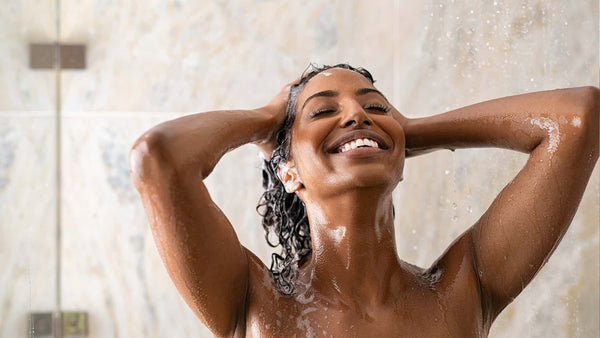
To Wash or Not to Wash? Busting A Common Hair Coloring Myth
Clean or dirty hair... which gives better color results? This quick myth-busting guide cuts through the confusion and...
read more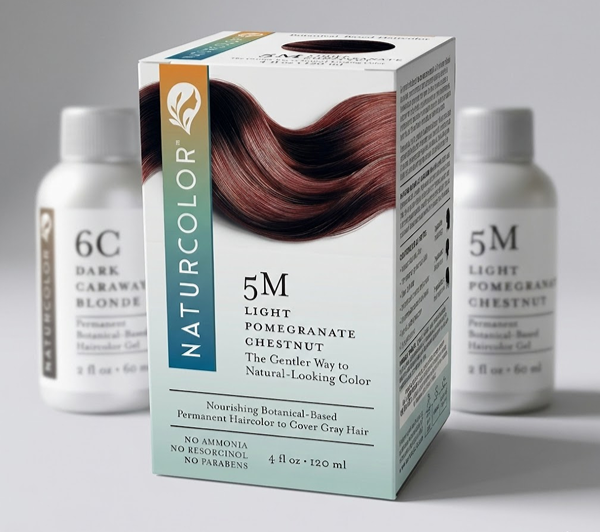
Why Choose Naturcolor?
Effective hair color shouldn't come at the cost of your hair's health. Discover why Naturcolor's botanically based, l...
read more

Ready for Hair that Looks Born, Not Bottled?
“This is a quality brand of hair color. It is gentle and easy to use. Doesn't contain the harsh chemicals of well known retail brands... No harsh smell.... very natural looking, not stark and fake like other brands that I've used. I even mix colors for a better color result. Leaves hair soft, not stiff. ”
 Barrett,
Verified Buyer
Barrett,
Verified Buyer
 Barrett,
Verified Buyer
Barrett,
Verified Buyer
No resorcinol or ammonia
Beautiful, natural-looking color guaranteed
Easy to maintain so you always look your best

